Your resume may get you through the door, but your skills are what make employers want to meet you.
For many students and fresh graduates, building the perfect resume feels like the most important step in landing a job. Hours are spent choosing the right template, listing certifications, and polishing every sentence.
While a well-written resume certainly matters, it isn't always the first thing employers notice.
Before they carefully read your education, experience, or technical skills, employers often form an impression based on something much bigger—how you communicate, solve problems, present yourself, and interact with others.
In today's competitive job market, qualifications can help you get shortlisted, but it's your skills that help you stand out.
Let's explore the qualities employers notice even before they read what's written on your resume.1. Your Communication Skills
Whether it's a job interview, an email, or a simple introduction, the way you communicate leaves a lasting impression.
Employers look for people who can express their thoughts clearly, listen actively, ask relevant questions, and communicate respectfully. Strong communication isn't just about speaking fluent English—it's about being able to explain ideas confidently and work effectively with others.
Good communication also reflects confidence and professionalism, two qualities every organization values.
How to improve it:
Practice introducing yourself in under a minute.
Participate in presentations, discussions, or group activities.
Improve your writing by sending professional emails and messages.
Read regularly to build vocabulary and confidence.
2. Your Attitude Towards Learning
No employer expects a fresher to know everything.
What they do expect is someone who is curious, willing to learn, and open to feedback.
Technology, industries, and workplaces evolve constantly. Employees who continue learning are often the ones who grow the fastest within an organization.
When employers notice that you've taken online courses, earned certifications, attended workshops, or learned skills outside your academic curriculum, it shows initiative.
Learning doesn't stop after graduation—and employers know that.3. Problem-Solving Ability
Every workplace faces challenges. Employers aren't just looking for people who can identify problems—they're looking for people who can think critically and contribute to solutions.
Problem-solving doesn't always involve complex technical knowledge. Sometimes it means managing unexpected situations, thinking creatively, or finding a better way to complete a task.
Students can build this skill by participating in projects, competitions, internships, or even organizing college events.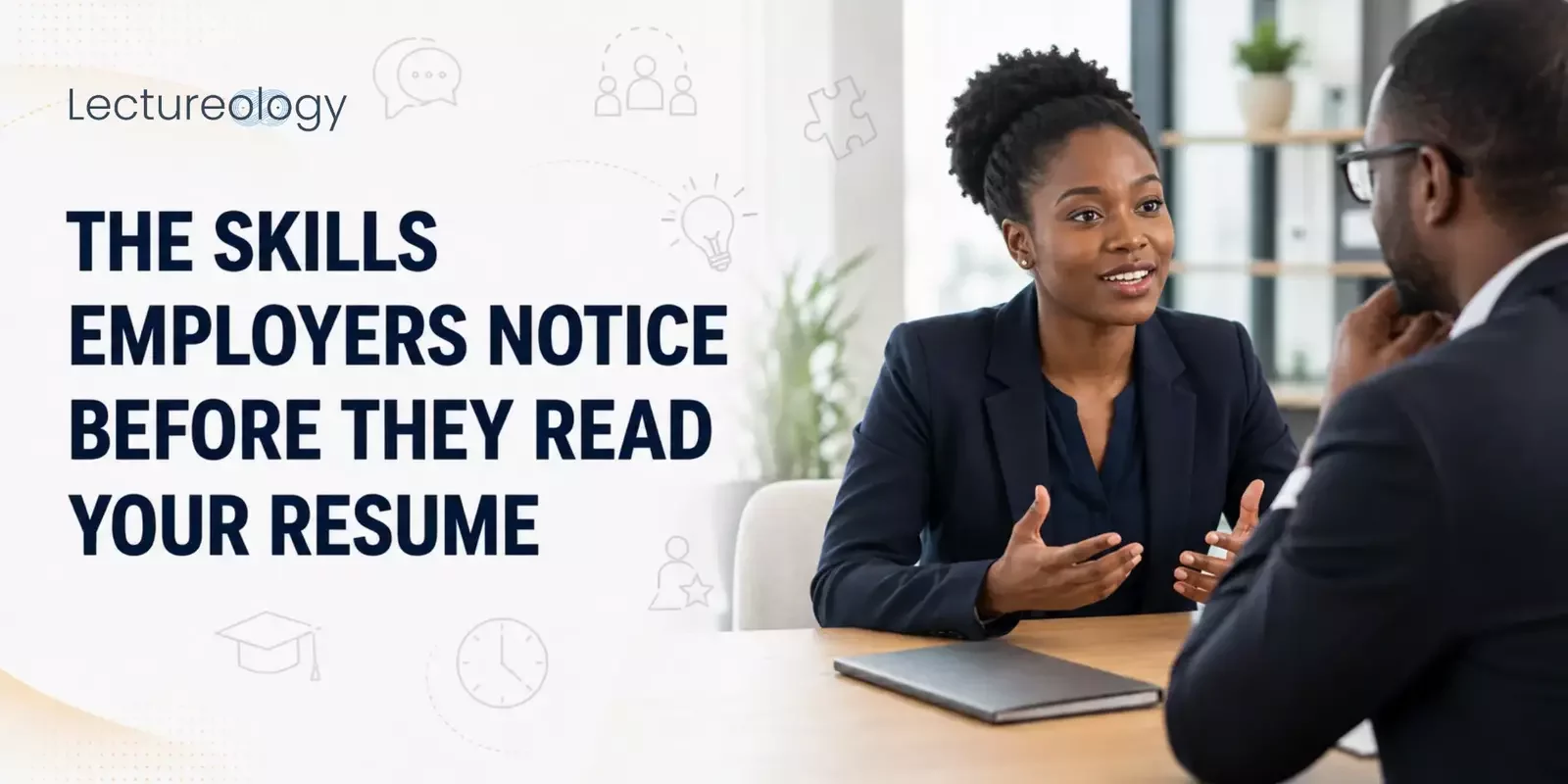
4. Adaptability
The workplace changes quickly. New software, changing priorities, remote collaboration, and evolving customer expectations require employees who can adapt without becoming overwhelmed.
Adaptability shows that you're willing to embrace change instead of resisting it.
If you've learned a new tool, adjusted to online learning, taken on different responsibilities, or explored subjects outside your comfort zone, you've already demonstrated adaptability.
5. Teamwork and Collaboration
Very few jobs involve working alone.
Employers value candidates who can collaborate with colleagues, contribute ideas, respect different perspectives, and support team goals.
Teamwork also demonstrates emotional intelligence, patience, and accountability.
Even if you don't have professional work experience, college projects, volunteer activities, student organizations, and sports all provide opportunities to develop collaboration skills.6. Time Management
Meeting deadlines is one of the simplest ways to build trust in any workplace.
Students who balance academics, certifications, extracurricular activities, and personal responsibilities often develop strong organizational skills.
Employers notice candidates who can prioritize tasks, stay organized, and complete work without constant reminders.
Simple habits like maintaining a schedule, setting priorities, and avoiding procrastination can make a significant difference.7. Professionalism
Professionalism begins long before your first day at work.
It shows in the way you write emails, arrive on time, dress appropriately for interviews, respond to messages, and interact with others.
These small details communicate reliability and respect.
Even your online presence can influence an employer's perception. Maintaining a professional LinkedIn profile and being mindful of your digital footprint demonstrates maturity and responsibility.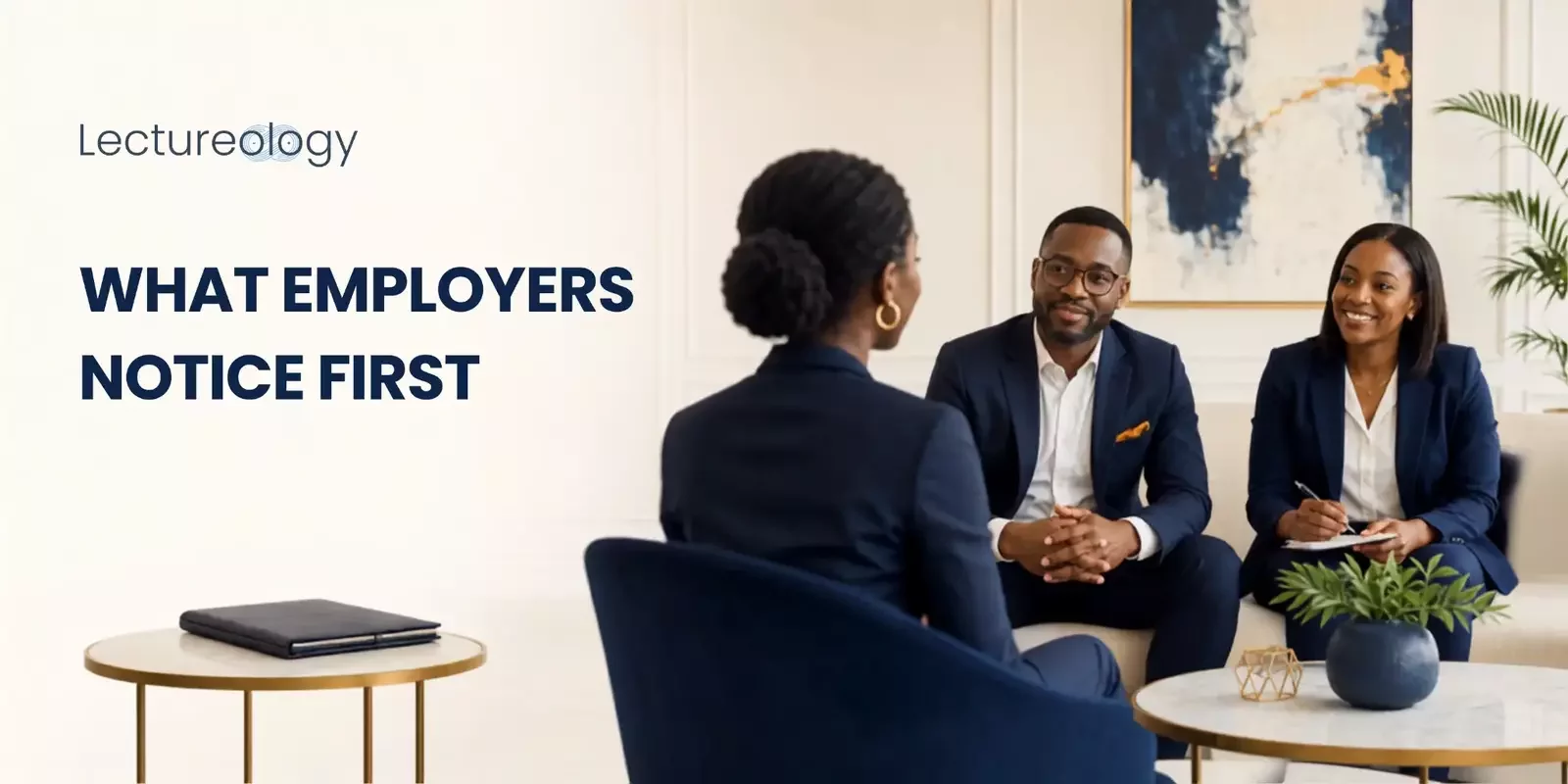
8. Confidence Without Overconfidence
Confidence helps employers believe you'll be able to take on responsibilities, communicate with clients, and represent the organization well.
However, confidence isn't about pretending to know everything. It's about acknowledging what you know, being honest about what you're still learning, and showing a willingness to improve.
Employers appreciate candidates who are authentic, humble, and eager to grow.Degrees Open Doors—Skills Build Careers
Academic qualifications remain important. They provide the knowledge and foundation needed for your chosen field.
But in today's hiring landscape, employers often compare candidates with similar degrees and similar grades. What makes one candidate stand out is the combination of technical knowledge and workplace-ready skills.
That's why continuous learning has become so valuable.
Every certification you earn, every project you complete, every presentation you give, and every new skill you develop adds another layer to your professional profile.
The goal isn't simply to have an impressive resume—it's to become someone employers are excited to hire.
How Students Can Start Building These Skills Today
The good news is that you don't need to wait until graduation.
Start by taking online courses that interest you. Volunteer for leadership roles in college clubs. Participate in internships, workshops, webinars, and competitions. Read books that improve your communication and critical thinking. Learn to work with people from different backgrounds.
Most importantly, don't be afraid to step outside your comfort zone. Growth happens when you try something new, even if you don't get it perfect the first time.
Every small experience contributes to your confidence and prepares you for future opportunities.Final Thoughts
A polished resume is important—but it only tells employers what you've done.
Your attitude, communication, curiosity, and professionalism tell them who you are.
As industries continue to evolve, employers are looking beyond grades and qualifications. They want people who can learn, adapt, collaborate, and contribute from day one.
At Lectureology Academy, we believe education should prepare learners not only to earn certificates but also to build the skills that employers genuinely value. Every course you complete, every challenge you overcome, and every new skill you develop brings you one step closer to a successful career.
Because the best investment you can make isn't just in your resume—it's in yourself.