AI may change the way we work, but some skills will remain distinctly human—and increasingly valuable.
Artificial intelligence is changing the workplace faster than many people expected.
From writing and design to data analysis, customer service, education, and marketing, AI tools are becoming part of everyday work. For students and young professionals preparing for their careers, this can raise an important question:
If AI can do so many tasks, what skills should I learn?
The answer isn't to compete with AI at everything it can do.
Instead, focus on the skills that help you think, communicate, collaborate, make decisions, and use technology effectively.
Here are seven skills that are likely to remain valuable even as AI continues to evolve.1. Communication
AI can generate an email in seconds, but effective communication involves much more than producing words.
Knowing how to explain an idea clearly, listen to another person, understand context, ask the right questions, and adjust your message for different audiences remains incredibly valuable.
Whether you're speaking to a customer, presenting an idea to your manager, working with a team, or negotiating with a client, communication is a skill technology cannot simply replace.
For students, presentations, group discussions, writing, public speaking, and even everyday conversations are opportunities to practice it.2. Critical Thinking
AI can provide answers quickly. The harder question is whether those answers are actually correct, useful, or appropriate.
Critical thinking allows you to question information, identify assumptions, evaluate evidence, recognize mistakes, and make informed decisions.
As AI-generated information becomes more common, the ability to think beyond the first answer becomes even more important.
Instead of simply asking AI for an answer, learn to ask:
Does this make sense?
What evidence supports it?
What might be missing?
Is there another way to look at this?
The better you think, the better you can use AI.3. Creativity
AI can generate images, text, music, videos, and ideas. But creativity isn't simply producing something new.
It's about understanding people, identifying problems, connecting seemingly unrelated ideas, and deciding what is worth creating in the first place.
A creative professional doesn't just ask, "What can I make?"
They ask, "What should I make, and why?"
Whether you work in marketing, education, business, design, technology, or another field, creativity can help you approach problems from different perspectives.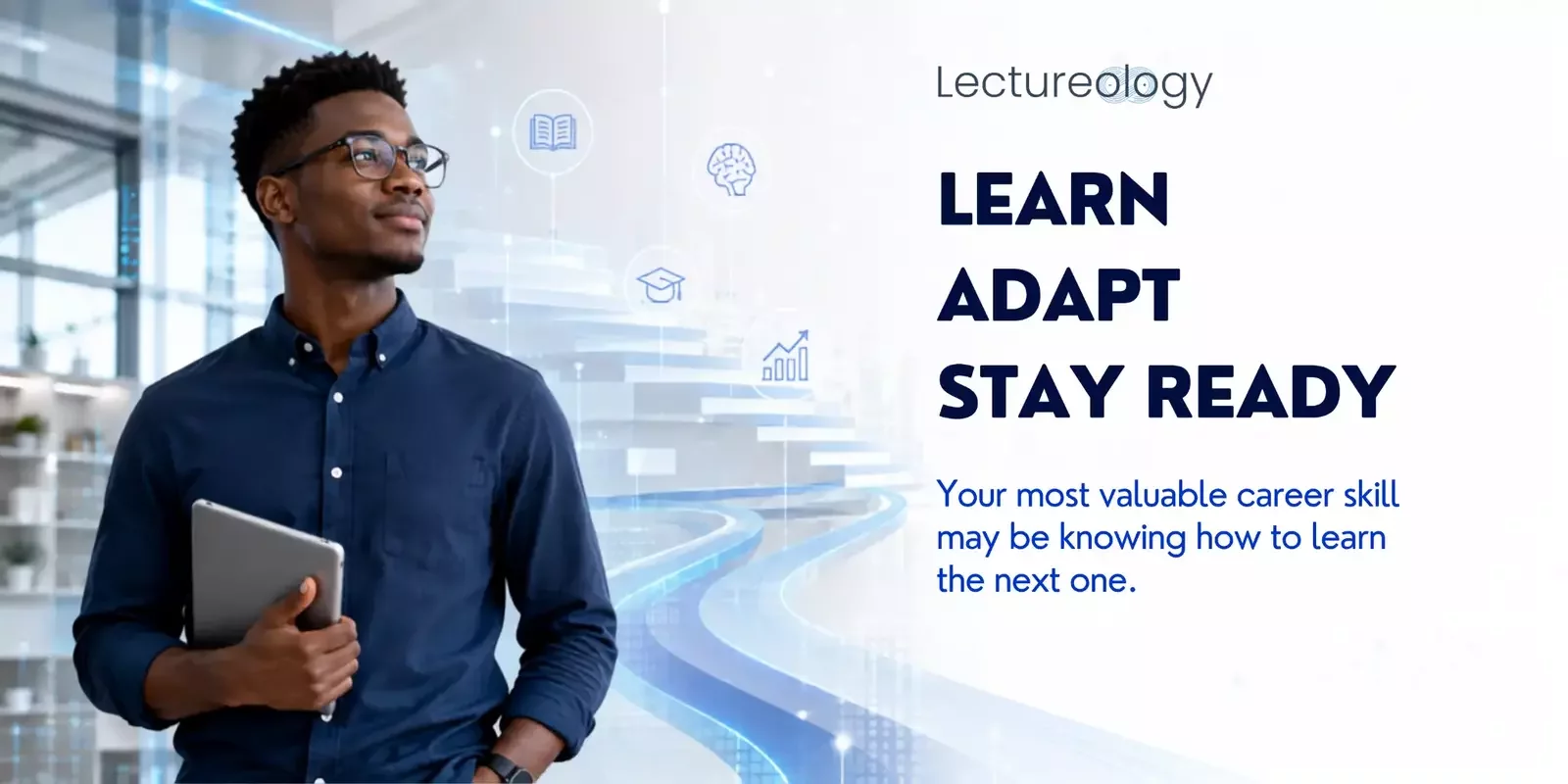
4. Emotional Intelligence
Workplaces are built around people.
Teams disagree. Customers become frustrated. Colleagues need support. Managers have difficult conversations. New employees need guidance.
Understanding emotions, reading social situations, managing your own reactions, and responding appropriately are all parts of emotional intelligence.
AI can analyze patterns in human behavior, but building genuine trust and meaningful relationships still depends heavily on human interaction.
People who can work well with others will continue to be valuable.5. Adaptability
The tools you learn today may not be the tools you use five years from now.
That isn't necessarily something to fear.
Instead, develop the ability to learn and adapt.
An adaptable employee doesn't need to know every new technology immediately. They need to be comfortable saying, "I don't know this yet, but I can learn it."
This mindset becomes especially important in industries where technology changes rapidly.
Your most valuable career skill may not be knowing one particular tool.
It may be knowing how to learn the next one.6. Problem-Solving
AI can suggest solutions, but real-world problems are rarely perfectly structured.
A workplace problem may involve incomplete information, competing priorities, limited resources, or people with different expectations.
Problem-solving requires understanding the situation, identifying the real issue, considering possible solutions, evaluating consequences, and taking action.
Students can develop this skill through projects, internships, competitions, case studies, volunteering, and everyday situations that require them to think independently.7. Relationship Building
Some opportunities don't come from applications.
They come from conversations.
A recommendation from a colleague. A connection made at an event. A mentor who remembers you. A client who trusts you. A teammate who knows they can depend on you.
Building professional relationships requires communication, empathy, reliability, and a genuine interest in other people.
Networking isn't simply collecting contacts on LinkedIn.
It's about creating relationships that are mutually valuable and built on trust.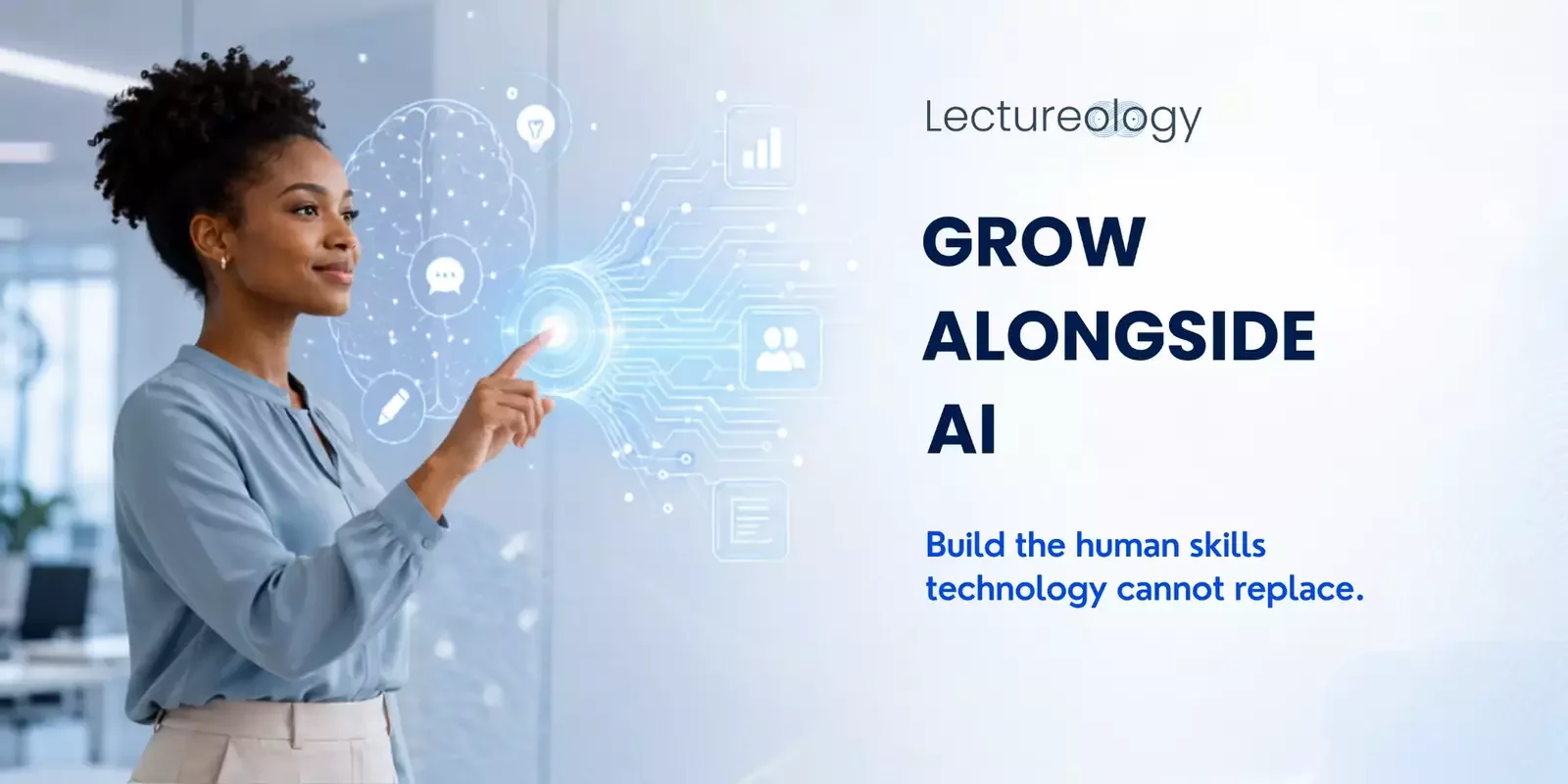
The Future Isn't Humans vs AI
It's easy to think of AI as a competitor.
But for many professionals, the more useful perspective is to think of it as a tool.
A marketer who knows how to use AI effectively can potentially work faster. A designer who understands AI tools can explore more ideas. A teacher can use technology to personalize learning. A business professional can use AI to analyze information and make better decisions.
The advantage doesn't necessarily belong to the person who avoids AI.
It may belong to the person who understands how to combine AI with strong human skills.What Should Students Do Now?
You don't need to predict exactly which jobs will exist ten years from now.
Instead, build a strong foundation.
Learn how to communicate. Practice critical thinking. Develop your creativity. Work with different kinds of people. Become comfortable learning new things. Solve real problems. Build genuine relationships.
And alongside these skills, learn how to use AI responsibly and effectively.
The goal isn't to become someone who can do everything AI does.
It's to become someone who knows when to use AI, how to use it, and when human judgment matters more.Final Thoughts
Technology will continue to evolve.
The specific tools you use, the platforms you work with, and even the tasks you perform may change several times throughout your career.
But your ability to think, communicate, adapt, create, solve problems, and connect with people will continue to travel with you.
That is why the best career preparation isn't about chasing every new technology.
It's about building a combination of human skills and technological confidence that allows you to grow alongside it.
At Lectureology Academy, we believe future-ready learning isn't about preparing for one specific job. It's about developing the knowledge, skills, and mindset to keep learning as the world of work changes.
Because the future of work isn't simply about what AI can do.